Skip to Content


Future Marine Fuels.


What will power tomorrow ships?


Shipping is entering one of the most significant technological transitions in its history.

For generations, ships have relied primarily on conventional fossil fuels. Today, the maritime industry is exploring a much wider range of energy sources as it works to reduce emissions and develop more sustainable ways of operating.

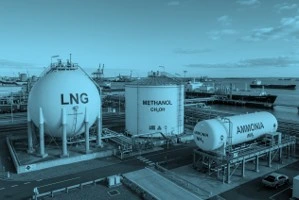
LNG, methanol, ammonia, hydrogen, biofuels and other emerging fuels are becoming part of the conversation.

But there is no single fuel that solves every challenge.

Each alternative brings different possibilities — and different questions about production, emissions, availability, storage, safety, ship design and operation.

For future maritime professionals, understanding these differences will become increasingly important.

Explore the fuels, technologies and skills shaping the next generation of ships.

Changing the fuel changes the ship.


A new marine fuel affects much more than the engine.

It can change how energy is stored onboard, how fuel is transferred and prepared, how machinery spaces are designed and how crews operate the vessel.

Some fuels require cryogenic storage. Others have low flashpoints, different combustion characteristics or significant toxicity risks. New propulsion arrangements can introduce unfamiliar equipment, automation and safety systems.

This means the energy transition is not only a technological challenge.

It is also a people and competence challenge.

Tomorrow's seafarers will need to understand not only how these technologies work, but how to operate around them safely and effectively.

Explore the fuels


 LNG


Natural gas at sea

Liquefied natural gas is already used as a marine fuel on many vessels and has played an important role in the development of modern dual-fuel propulsion.

Discover how LNG is stored at cryogenic temperatures, supplied to engines and used in different propulsion arrangements — and explore important topics such as methane slip, bunkering and gas safety.

Methanol


A liquid fuel with growing maritime interest
Methanol can be stored as a liquid at ambient conditions, making its handling and storage very different from LNG.
A growing number of vessels are being designed or converted to operate with methanol-capable engines.

Explore methanol production, storage, fuel supply systems, engine technology, emissions and the safety considerations associated with its use onboard.

Ammonia


A potential zero-carbon fuel — with new challenges
Ammonia contains no carbon and has attracted significant attention as a potential fuel for future shipping.
However, its toxicity and combustion characteristics introduce major technical and safety challenges.

Discover how ammonia could be produced, stored and used onboard and why crew competence will be particularly important for ships operating with it.

Hydrogen


From fuel cells to combustion
Hydrogen can be used directly as an energy carrier or as an important building block for other alternative fuels.
Its physical properties create significant challenges for storage, distribution and shipboard application.

Explore hydrogen production, compressed and liquefied storage, fuel cells, combustion technologies and potential maritime applications.

Biofuels


New fuels for existing ships?
Some biofuels may provide opportunities to reduce lifecycle greenhouse-gas emissions while using existing or modified marine machinery.
But not all biofuels are the same.

Explore feedstocks, fuel characteristics, compatibility, sustainability and the practical considerations of using biofuels onboard existing vessels.


It's not just about the fuel


Understanding future marine fuels means looking at the complete system.

Fuel Storage


How do LNG, methanol, ammonia and hydrogen need to be stored onboard?

Fuel Supply


How does fuel travel safely from the tank to the engine or energy converter?

Engines & Propulsion


How do dual-fuel engines work, and how will new fuels change marine propulsion?

Bunkering


How will ships safely receive fuels with very different physical and chemical properties?

Automation & Control


How are fuel systems monitored, controlled and protected?

Safety


What new hazards must crews understand and manage?

Emissions


Does changing fuel really reduce a ship's environmental impact?

People & Competence


What will tomorrow's officers, engineers, ETOs and ratings need to know?


Compare future marine fuels


There is no perfect marine fuel.

Every option involves trade-offs involving emissions, energy density, storage, availability, infrastructure, cost, safety and technical complexity.

Understanding these differences is more useful than simply asking which fuel is "best."


LNG

Methanol

Ammonia

Hydrogen

Storage

Cryogenic

Liquid at ambient conditions

Pressurized / refrigerated depending on system

Compressed or cryogenic

Contains carbon

Yes

Yes

No

No

Major safety consideration

Flammability / cryogenic hazards

Flammability / toxicity

High toxicity

Flammability / very low ignition energy

Possible engine use

Established

Growing

Emerging

Emerging

Fuel-cell potential

Possible after reforming

Possible after reforming

Possible

Yes

This is only the beginning.

The real environmental impact of a fuel also depends on how it is produced, transported and used — not simply what happens inside the ship's engine.


Start Learning


Introduction to Alternative Marine Fuels

FREE FOUNDATION LEARNING


New to the subject?
Start with our introductory learning pathway and build a foundation before exploring individual technologies in more detail.


You'll discover:

  • Why shipping is looking for alternative fuels
  • The basic characteristics of LNG, methanol, ammonia and hydrogen
  • How different fuels affect ship design and machinery
  • The fundamentals of dual-fuel propulsios
  • Important safety considerations
  • What the transition means for future seafarers


[START LEARNING — FREE]

Tomorrow at Sea Live


Hear from the people working with these technologies.

Technology becomes easier to understand when you can discuss it with the people designing, operating and maintaining it.

Join engineers, seafarers, technology specialists and educators for live discussions about alternative marine fuels and future propulsion.

Ask questions. Hear real experiences. Explore different perspectives.

[SEE UPCOMING LIVE SESSIONS →]

From knowledge to competence

Learning about alternative fuels online is a starting point.

Working safely and competently onboard requires much more.

As alternative-fuel technologies develop, seafarers may require specialised training, practical exercises, simulation, assessment and applicable regulatory or company-specific training before carrying out particular duties.

Mastering Tomorrow at Sea helps you understand the technology and start building your knowledge.

GigaMare's professional training programmes take learning further through structured competency development and practical training.

[Explore Professional Training →]

Tomorrow's fuels need tomorrow's seafarers.


The transition will not happen through technology alone.

Behind every new engine, fuel system and automated safety function will be people who need to understand what the technology is doing — and know what to do when something does not go according to plan.

Whether you plan to become a deck officer, marine engineer, ETO or another maritime professional, the energy transition will become part of your career.

Start understanding it today.

Learn. Connect. Prepare.

Mastering Tomorrow at Sea — Powered by GigaMare